Cut CI/CD Costs by 77% & 2x Deployment Speed with GitHub Actions on EKS Auto Mode
...On April 5, 2025 I did a live stream on how to run Github Actions Self Hosted Runners on EKS Auto with AWS Heroes Arshad Zackeriya and Jones Zachariah Noel.
Colorkrew で働き続けられている理由: 秋山
...こんにちは、インフラエンジニアの秋山です。
この記事ではなぜ私が Colorkrew でインフラエンジニアを約8年間も続けていられるかについて紹介します。なぜ Colorkrew で働き続けられているのか
Colorkrew のユニークな事業構造
Colorkrew では、いわゆる受託事業と SaaS 事業の両方を展開しています。
従業員100人規模の会社で両方の事業を持つことは比較的珍しく、魅力的なポイントの一つです。- 受託事業ではお客様のニーズに応じたソリューションを提供
- SaaS 事業では自社開発のプロダクトを通じて市場に新しい価値を提供
この両輪があることで、新しい技術やアプローチに触れる機会があるのが特徴です。
例えば、受託案件では「お客様の環境に合わせた技術選定」や「最新の革新的な技術の採用」が求められるため、誰もが経験したことがない技術を組み合わせたシステムを実現することもあります。
一方、SaaS事業では「自社プロダクトに最適な技術を考え、長期的に育てていく」という視点が必要になります。
一つの会社で、異なる開発スタイルや技術に触れられるのは、大きな強みだと感じています。フレキシブルな働き方と挑戦の機会
Colorkrew では、エンジニアが自分の得意分野を活かしながら、幅広い領域に関わることができます。
「受託専任の IaaS エンジニア」といった固定のロールはなく、事業もロールもフレキシブルに働くことが可能です。1日の働き方を例に挙げると、
- 9am-2pm は(ランチタイムを除いて) SaaS 事業のインフラで採用する技術についての調査
- 3pm-4pm は受託案件の新規提案について、実現可能性の検討
- 4pm-5pm はコーポレートエンジニアとして会社が利用している SaaS サービスの断捨離を実施
- 5pm-6pm は SaaS 事業の新製品についてミーティング
この柔軟性は、1社で働きながら多様性のある技術やチームで経験を積む機会を提供し、自分のスキルセットを広げるのに役立ちます。
なお、先にご紹介したスケジュールは、あくまで私自身の一例です。
人によっては、複数のロールを兼務するよりも、一つの領域に集中したほうが成果を上げやすい場合もあるので、フォーカスした働き方をしている人もいます。技術の向上と応用
自分が向上させた技術を複数の事業に生かすことができるのも、Colorkrew で働き続ける理由の一つです。
新しい技術や知識を学び、それを実際のプロジェクトで応用することで、自己成長を実感できます。私は Microsoft Azure を中心に、その中でもコンテナ系の技術、また DevOps 系の技術を主に扱っています。
案件が異なれば、扱う技術も(ある程度は得意分野に寄っているとはいえ)少し変わってきます。
これによって自分の幅を広げる経験をしたり、受託事業で学んだことを SaaS 事業に反映させたり、応用する機会が多くあります。Colorkrew で働くエンジニアが利用できる制度や環境について
...こんにちは、インフラエンジニアの秋山です。
この記事では Colorkrew で働くエンジニアが利用できる制度や環境について、特にインフラエンジニアに関連するものに焦点を当てて紹介します。
(記事記載時点の情報です)パブリッククラウドの検証環境
まずはパブリッククラウドの検証環境です。
Colorkrew ではインフラ業務の99%でパブリッククラウドを利用します。業務の中で、挙動について確認したいケースは頻繁にあります。
- 新しく発表があったサービスや機能の使用感を試したい
- 案件で必要になった機能が有効か試したい
こういった検証には特定の案件に紐づかない、独立した環境が欲しいところです。 このために、私たちは AWS, Microsoft Azure, Google Cloud Playground 環境を提供しています。
この費用は会社が100%負担しています。
もちろん個人の学習用途に使うことも問題ありません。
(個人のサービス運営には使うのはNGです)資格取得の奨励
次に資格取得の補助です。
ご存じのように各パブリッククラウドベンダーは、それぞれの技術を理解した証明として資格証明を提供しています。
下記の資格は受験費用が 100% 補助されます。(不合格1回分まで)
どんどん取りましょう。これ以外にも、業務上利用する技術に関連する資格が挙げられます。
これらは受験費用が 50% 補助されます。また、インフラエンジニアに限りませんが以下のような資格もあります
セキュリティチームで1日合宿
...こんにちは!Colorkrew Securityの営業担当の堤です。
弊社ではColorkrew Securityというサービス名でAWS, Azureなどのクラウド領域と、EDRやCASBなどのいわゆるゼロトラスト領域におけるSOCサービスを提供しております。
今回はこのColorkrew Securityに携わるメンバー全員で1日合宿を行ったので、その様子をレポートします。
何のための合宿?
一言で言うと「Colorkrew Securityとは何か?」を改めて整理するための合宿です。
現在、Colorkrew Securityは事業の拡大フェーズにあり、さらなる案件獲得に向けた取り組みや採用活動を積極的に行っています。その中で、より多くの企業にサービスを届けるためには、メディア戦略やサービス資料を整え、Colorkrew Securityの価値を明確に伝えることが重要だと考えています。しかし、サービスの根幹である「Colorkrew Securityとは何か?」が整理できていないとどんな施作も効果がありません。そこで、このテーマを改めて整理し、チーム全員で認識を統一する必要があると考えこの合宿を企画しました。
Colorkrewでは、このように対面で集まって1つのことを考えたりディスカッションするために合宿を行うことがよくあります。
日々の業務の中では、長期的な課題に取り組む時間がなかなか取れず、そのままになってしまいがちです。そのためColorkrewでは、プロジェクトで深いディスカッションを行う合宿を推奨しています。大きなトピックに取り組むだけでなく、チームの絆を深めることにも役立っています。
何をしたのか?
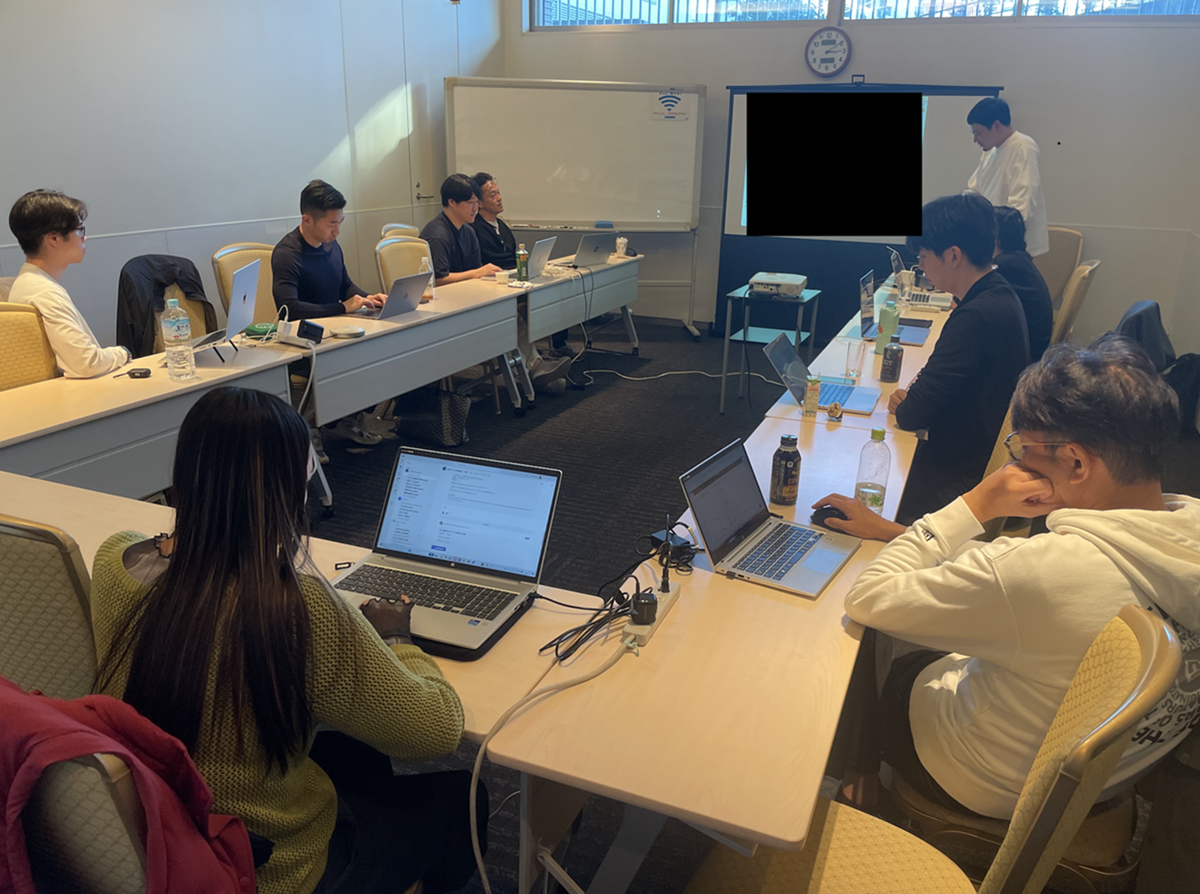
Colorkrew Securityの事業リーダーと営業リーダーの2人を中心に「Colorkrew Securityとは何か?」を様々な角度からディスカッションしました。
以下は一例です。
- 対象となる顧客のセグメンテーション
- 業種、業界
- 会社規模
- 部署
- 地域、エリア
- 企業の成長段階
- 事業内容
- 自社の強み
- Colorkrew Securityが顧客に提供している価値
13時から19時までおよそ6時間語り尽くしました。
ディスカッションした内容の全てを公開することはできませんが、トークテーマの一つである自社の強みを今回ご紹介します。
自社の強み
それは取り扱うセキュリティ製品の豊富さです。
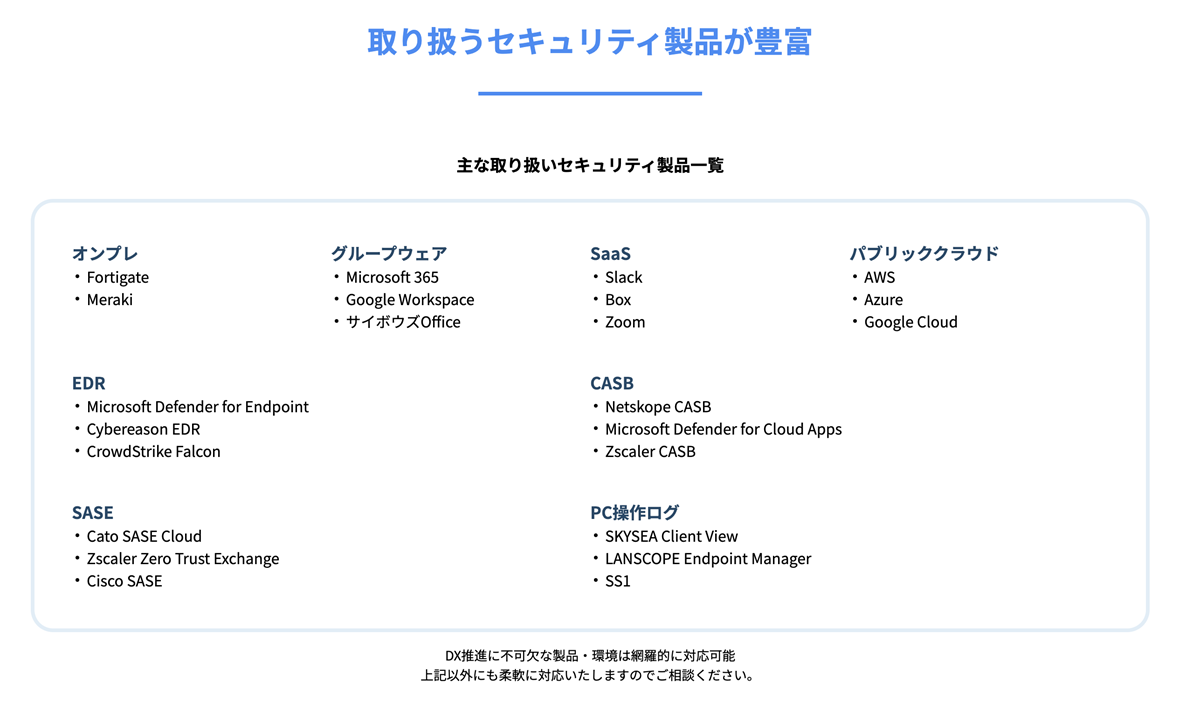
(Colorkrew Securityのページより引用)
他社SOCベンダーだと、Microsoft 365のセキュリティ製品のみ、Cybereason EDRのみなど、対応製品がごく一部に限られるケースが多いです。 また、複数製品に対応できたとしても、それらの製品から出るログやアラートは製品ごとに独立しており、連携しているわけではないケースがほとんどです。
しかしながら、Colorkrew Securityは上記の画像の通り取り扱い製品は非常に幅広く、そして各種製品から出るログを連携して統合的に監視することが可能です。
統合的に監視することでどんなメリットがあるのか?
単体だとただのログでしかなかったり、そこまで重要度の高くないアラートだったとしても、複数製品のログやアラートを関連付けることで、ある一つのアクティビティと結論づけることが可能になります。
具体的な例を挙げると、SaaS製品の監査ログ(システム内で誰がいつ何をしたかが記載されたログ)とPC操作ログの連携です。
例えば情報の持ち出しを目的としてAさんが「Onedriveにあるファイルをダウンロード、その後ローカルでファイル名を変更。そしてDropboxでファイルアップロードと社外に向けてファイル共有」を行ったとします。
- 対象となる顧客のセグメンテーション
Working in Colorkrew: Breaking Stereotypes
...I’ve always been interested in Japanese culture and admired how disciplined the people are. So, when I started looking for jobs, Japan was at the top of my list. While browsing a job website, I found a company called “Colorkrew”.
At first, I liked Colorkrew because it had a flat hierarchy and a salary that was kinda okay for senior engineers. As I moved to the second, third, and final interviews, I read more about the company’s blogs and achievements. I started liking it even more. The CEO was very open about his schedule, foreigners were treated well, and the company felt more like a community than a typical workplace. It didn’t match the strict, overtime-heavy, seniority-driven image I had of Japanese companies.
Working Remotely From Your Home Country
...Overview
As remote work continues to grow in popularity, more companies are adopting flexible policies to accommodate employees’ varying needs. For many people, especially those from other countries working abroad, the ability to work from their home country for a short period is an invaluable benefit. I recently had the opportunity to experience this firsthand, and I’d like to share my experience, how my company’s policy works, and the benefits of this flexibility for foreign employees.
Being a better team lead
...It can be hard to define what makes a “good” team lead, but you can always strive to be a better one. Since joining Colorkrew, I’ve taken on the role of Team Lead for our Workflow product, managing the team to ensure our work progresses smoothly and that we create the best products for our customers.
Celebrating New Beginnings: October 2024 Graduate Welcome Ceremony
...In Japan, many companies hire new graduates in large groups every April. However, Colorkrew hires throughout the year. This October, we welcomed two talented new graduates to our team.
One joined as an engineer, and the other joined the business team, working in product operations. One graduated from a university overseas, and the other graduated from a university in Japan.
Bloom Filter 101
...What data structure would you use to determine whether an entity is in a given dataset with speed? Many would answer “Hashtable” without hesitation. Hashtable performs well when accessing an entity among a group of entities: the average time complexity of its read operations is constant. Nevertheless, using Hashtables can be rather costly when dealing with large datasets. Hashtables need to keep track of every entity in the dataset, resulting in a linear space complexity.
Deciding to Grow
...Moving to Japan
The first time I came to Japan, I was a tourist. I spent 1 week here during my final year of college.
The second time I came to Japan, I was moving here, starting a new job and a different way of life.
In the 7 years between, I worked as a software engineer across many American cities and companies.
A Brief Introduction to Pagination
...For many software engineers, endpoints for retrieving a list of entities are probably their favorite to implement–all they need to do is build an SQL statement that grabs all the available items, along with some other minor tasks. It’s all fun and games until the number of entities in the database becomes a bottleneck, where each GET request returns tens of thousands of items. You start to see server-side logs bombarded with error messages highlighted in red. Your dear users, previously satisfied with your application, begin to complain about the increasingly lackluster performance. Your product manager is on the brink of losing it and taking out their frustration on you. What?! You say you want to prevent all this from happening? Pagination is what you need! It can drastically improve your endpoints’ performance and save your servers from overload. Today, I will define pagination and introduce the most common pagination techniques.
A More Elegant Alternative to Golang's Error-Handling
...Recently, I joined a new project at Colorkrew that uses Golang as its backend language. Almost everyone on the team, including myself, had no experience with Golang, so we had to start from zero. Learning Golang has been a rewarding experience so far. After all, it is one of the most in demand programming languages now. However, writing code in Golang is not all sunshine and roses. Unopinionated as I am, I still have my fair share of complaints, the biggest being the recommended way of error handling in Golang.
Separation of Concerns: Split Your React Components into Containers and Views
...Many frontend engineers probably have experienced the head-scratching moment when their React components become so gigantic that they keep losing their train of thought when navigating through their frontend code. To salvage readability, one of the most common practices is to split up the humongous React components into smaller pieces. Traditionally, they would do this by chopping up the JSX elements. This method can effectively improve the readability of React components whose sole responsibility is to display data. However, on top of displaying data, some React components are also responsible for retrieving data from the backend. The more effective way to make such React components readable is to separate them into Containers and Views. In this article, I will demonstrate how to divide a React component into a Container and a View based on the principle of separation of concerns.
RESTful API 101
...It is almost impossible for a backend engineer to be oblivious to RESTful API in the 21st century, as it is one of the most popular API types. We can mostly attribute its popularity to its scalability, flexibility, and simplicity, all of which are highly sought-after qualities in modern APIs. If you also find these qualities desirable, you should consider building APIs following the RESTful principles. In this article, I will explain what counts as a RESTful API and demonstrate how to design one from scratch.